Key Takeaways
- 1Most side effects are mild and temporary - digestive discomfort in the first 1-3 days is the most common
- 2Lion's mane may have mild antiplatelet effects - consult your doctor if on blood thinners
- 3Cordyceps can disrupt sleep if taken in the evening - dose in the morning
- 4Reishi may lower blood sugar - monitor levels if you're on diabetes medication
- 5People with mushroom allergies should avoid all mushroom supplements
Quick Answer
Mushroom gummies have an excellent safety profile with minimal side effects at standard doses. The most common reactions are mild digestive discomfort (bloating, nausea) in the first few days, which typically resolves. Species-specific considerations include potential blood-thinning effects with lion's mane, possible blood sugar reduction with reishi, and mild sleep disruption with evening cordyceps use. Serious adverse effects are rare in clinical trials.
Mushroom Gummies Side Effects: The Complete Picture
Understanding mushroom gummies side effects is essential before adding any supplement to your routine. While functional mushrooms have been consumed for thousands of years across multiple cultures, the concentrated gummy format delivers higher doses than dietary intake - and that means potential reactions deserve honest discussion.
The good news: compared to most supplements and virtually all pharmaceuticals, mushroom gummies side effects are overwhelmingly mild and temporary. Clinical trials consistently report minimal adverse events, and serious reactions are exceptionally rare. But "generally safe" does not mean "universally safe for everyone," and we want you to make an informed decision.
This guide covers every documented side effect - common and rare - broken down by species, with clear guidance on drug interactions, contraindications, and how to minimize any discomfort. If you are wondering whether mushroom gummies are safe for your specific situation, this article will give you the full picture.
The Overall Safety Profile of Mushroom Gummies
What Clinical Research Shows
Functional mushrooms - lion's mane, reishi, cordyceps, chaga, and turkey tail - have been studied extensively in both animal models and human clinical trials. The collective evidence paints a reassuring picture:
- Lion's mane: Human trials using up to 3g/day for 16 weeks report no significant adverse effects. A 2020 systematic review of all lion's mane human studies found the compound "well-tolerated with no serious safety concerns."
- Reishi: Used therapeutically in Asia for over 2,000 years. Modern trials using standardized extracts at 1.5-6g/day over 12 weeks show a favorable safety profile, with only mild gastrointestinal effects reported.
- Cordyceps: Human studies using 1-3g/day over 8-12 weeks consistently report no significant adverse events compared to placebo groups.
- Turkey tail: Has been used as an adjunct therapy in oncology settings in Japan (PSK/PSP) for decades with excellent tolerability data across thousands of patients.
- Chaga: Traditional use spans centuries in Northern European and Russian medicine. Modern safety data is more limited but shows no toxicity at standard supplemental doses.
Traditional Use as a Safety Signal
While traditional use alone does not prove safety, thousands of years of continuous consumption across multiple cultures provides a meaningful signal. Functional mushrooms have never been classified as toxic, and no historical records document patterns of serious adverse reactions from dietary or medicinal use.
This contrasts sharply with many modern supplements that lack any meaningful history of human consumption. When a substance has been used for 2,000+ years without documented toxicity patterns, the probability of undiscovered serious side effects is low.
Context: How Gummies Compare to Other Supplement Forms
Mushroom gummies typically deliver 500mg-1,500mg of extract per serving. This is comparable to capsule doses but comes with additional ingredients - sugar, gelatin or pectin, citric acid, and natural flavors. Some people who tolerate mushroom capsules well report mild digestive issues with gummies due to these excipient ingredients rather than the mushrooms themselves.
If you experience side effects, it is worth testing whether a different delivery format (capsules, powder, tincture) eliminates the reaction. Sometimes the gummy format itself is the culprit.
Common Side Effects Across All Species
Digestive Discomfort (Most Common)
The single most reported side effect across all mushroom species is mild digestive discomfort in the first few days of use. This manifests as:
- Mild bloating or gas
- Slight nausea (especially on an empty stomach)
- Loose stools or mild cramping
- A feeling of fullness
This adjustment period typically lasts 1-3 days and resolves without intervention. Mushroom polysaccharides (beta-glucans) are prebiotic fibers that feed gut bacteria. When you introduce a new prebiotic source, your microbiome shifts, which can produce temporary gas and bloating as bacterial populations adjust.
Frequency: Approximately 5-10% of users report noticeable digestive effects in the first week. Most describe them as mild and transient.
First-Week Adjustment Period
Beyond digestion, some users report a general "adjustment period" in the first 3-7 days that can include:
- Mild headaches (likely related to increased NGF production with lion's mane)
- Slightly altered sleep patterns (vivid dreams, lighter sleep)
- Mild changes in energy levels (usually an increase)
- Subtle mood shifts
These effects are not inherently negative - many represent the mushrooms beginning to work - but they can feel unexpected if you are not anticipating them. They almost universally resolve by the end of the first week.
Effects That Are NOT Side Effects
Some changes people attribute to side effects are actually intended responses:
- Increased mental clarity with lion's mane - this is the point
- Feeling calmer with reishi - this is reishi's adaptogenic effect
- More physical energy with cordyceps - this is the desired outcome
- Changes in immune response with turkey tail - this indicates immune modulation working
If you are unsure whether what you are experiencing is a side effect or an intended benefit, consider whether it feels problematic in your daily life or simply different from your baseline.
Species-Specific Side Effects
Lion's Mane Side Effects
Lion's mane (Hericium erinaceus) is one of the best-tolerated functional mushrooms, but several specific effects deserve attention:
Mild Antiplatelet Activity
Lion's mane contains hericenone compounds that may inhibit platelet aggregation. In practical terms, this means it could have a mild blood-thinning effect. For most people, this is insignificant. For people already on anticoagulant medication (warfarin, heparin, aspirin therapy), this additive effect could be clinically relevant.
If you take blood thinners, consult your doctor before adding lion's mane to your routine.
Vivid Dreams and Altered Sleep Architecture
A subset of lion's mane users (roughly 10-15% based on community reports) experience noticeably vivid or lucid dreams, particularly in the first 2-4 weeks. This is hypothesized to relate to NGF (nerve growth factor) stimulation affecting sleep-phase neurology. Most people find this neutral or enjoyable rather than distressing, but it can feel startling if unexpected.
Mild Restlessness or Overstimulation
At higher doses (above 1,500mg extract daily), some people report a "wired" feeling similar to mild caffeine sensitivity. This is uncommon but worth noting for people who are neurologically sensitive. Reducing the dose typically resolves it immediately.
Skin Sensitivity (Very Rare)
A small number of reports describe mild skin itching or rash, potentially related to NGF stimulation in dermal nerve endings. This is rare enough that it does not appear in clinical trial data but surfaces in community reports. Discontinuation resolves it.
For a deeper dive into lion's mane benefits and dosing, see our full lion's mane mushroom gummies guide.
Reishi Side Effects
Reishi (Ganoderma lucidum) is the most pharmacologically active of the common functional mushrooms, which means it has the most documented side effect potential:
Blood Sugar Reduction
Reishi has demonstrated hypoglycemic effects in multiple studies, meaning it can lower blood sugar. For most healthy people, this is beneficial or neutral. For people on diabetes medication (metformin, insulin, sulfonylureas), the combined effect could drop blood sugar too low. Monitor your levels if you add reishi while on these medications.
Dry Mouth and Thirst
A commonly reported effect, particularly at higher doses. Triterpenes in reishi may affect salivary gland function. Staying well-hydrated and keeping the dose moderate usually manages this.
Digestive Sensitivity
Reishi is the mushroom most likely to cause initial digestive discomfort, particularly in extract forms high in triterpenes (which taste bitter). The gummy format helps mask the bitterness but the compounds still reach your gut. Start at half-dose and increase over a week.
Mild Dizziness (Uncommon)
Reishi's blood-pressure-lowering and calming effects can occasionally manifest as mild lightheadedness, especially if taken on an empty stomach or by people with already-low blood pressure.
Immune Modulation
Reishi significantly modulates immune function. For healthy individuals, this is beneficial. For people on immunosuppressant medication (post-transplant, autoimmune conditions), this modulation could counteract their medication. This is a genuine contraindication - discuss with your doctor.
For more on reishi specifically, read our reishi mushroom gummies guide.
Cordyceps Side Effects
Cordyceps (Cordyceps militaris) is well-tolerated by most people, with side effects clustering around its energizing properties:
Sleep Disruption When Dosed Late
The most common complaint with cordyceps is sleep disruption - but it is almost entirely a timing issue rather than an inherent side effect. Cordyceps increases cellular ATP production and oxygen utilization, which translates to increased physical and mental energy. Taking it after 2-3 PM can interfere with sleep onset for sensitive individuals.
The solution is simple: take cordyceps in the morning or early afternoon. Many users specifically choose it as a morning energizer for this reason.
Restlessness and Overstimulation
At higher doses or in caffeine-sensitive individuals, cordyceps can produce a jittery, overstimulated feeling similar to too much coffee. This is dose-dependent and resolves immediately with dose reduction. If you are sensitive to stimulants, start with half the recommended dose.
Mild Gastrointestinal Effects
Like all mushrooms, initial GI discomfort is possible but tends to be milder with cordyceps than with reishi. Usually resolves within 2-3 days.
Potential Blood Sugar Effects
Some evidence suggests cordyceps may lower blood sugar, though the effect appears weaker than reishi. People on diabetes medication should monitor levels when starting cordyceps supplementation.
Learn more about cordyceps benefits in our dedicated cordyceps mushroom gummies article.
Chaga Side Effects
Chaga (Inonotus obliquus) has a unique risk profile related to its biochemistry:
Oxalate Content (Primary Concern at High Doses)
Chaga contains significant levels of oxalic acid. At standard supplemental doses (500-1,500mg/day), this is unlikely to be problematic for people with healthy kidneys. However, at very high doses or with extended daily use over many months, oxalate accumulation could theoretically contribute to kidney stone formation in susceptible individuals.
People with a history of calcium oxite kidney stones or kidney disease should either avoid chaga or use it intermittently with breaks (e.g., 4 weeks on, 1 week off).
Anticoagulant Properties
Chaga demonstrates mild anticoagulant activity similar to lion's mane. The same caution applies for people on blood-thinning medications.
Blood Sugar Lowering
Like reishi and cordyceps, chaga may reduce blood sugar levels. The combined effect with diabetes medication warrants medical guidance.
Generally Excellent Tolerability
Beyond the oxalate concern, chaga is extremely well-tolerated at standard doses. Most people report zero noticeable side effects.
Turkey Tail Side Effects
Turkey tail (Trametes versicolor) has perhaps the strongest clinical safety data of any functional mushroom due to its extensive use in oncology settings:
Digestive Changes
The most common reported effect is mild digestive change - slightly looser stools, increased gas, or mild bloating. Turkey tail is particularly high in beta-glucan prebiotic fiber, which explains the gut-related effects.
Darkened Stool
Turkey tail can darken stool color. This is harmless and purely cosmetic - it relates to the mushroom's pigmentation compounds passing through the digestive tract. However, if you are not expecting it, dark stool can be alarming (it mimics a concerning symptom). Know that this is normal with turkey tail.
Immune Stimulation
Turkey tail is a potent immunomodulator. For healthy individuals, this is the reason to take it. For people on immunosuppressants or with overactive immune conditions, this effect is a contraindication rather than a side effect.
Mild Nausea (Uncommon)
Some clinical trial participants report mild nausea, particularly at higher doses. Taking turkey tail with food eliminates this in most cases.
Drug Interactions to Know About
Understanding potential interactions between mushroom supplements and medications is critical for anyone on prescription drugs. Here are the clinically relevant interactions:
Blood Thinners (Anticoagulants and Antiplatelets)
Relevant mushrooms: Lion's mane, reishi, chaga
Medications: Warfarin (Coumadin), heparin, aspirin (therapeutic dose), clopidogrel (Plavix), rivaroxaban (Xarelto)
Mechanism: These mushrooms have mild antiplatelet or anticoagulant properties. Combined with prescription anticoagulants, the additive effect could increase bleeding risk.
Recommendation: Consult your doctor before combining. If approved, monitor for unusual bruising, bleeding gums, or prolonged bleeding from minor cuts. Discontinue mushroom supplements 2 weeks before any scheduled surgery.
Diabetes Medications
Relevant mushrooms: Reishi (strongest effect), cordyceps, chaga
Medications: Metformin, insulin, sulfonylureas (glipizide, glyburide), GLP-1 agonists
Mechanism: These mushrooms may lower blood glucose independently. Combined with blood-sugar-lowering medications, there is a risk of hypoglycemia (blood sugar dropping too low).
Recommendation: Monitor blood glucose more frequently when starting mushroom supplements. Watch for hypoglycemia symptoms: shakiness, sweating, confusion, rapid heartbeat. Discuss with your endocrinologist or prescribing physician.
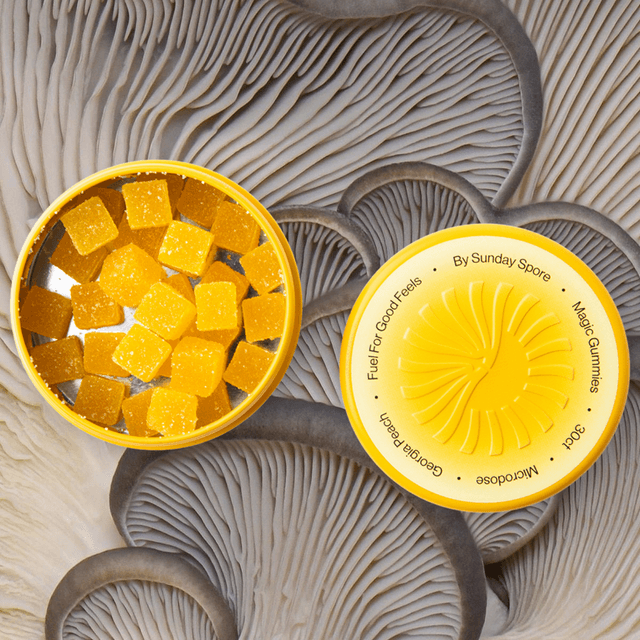
Precision Dosed
Every Sunday Spore gummy is lab-verified for precise, consistent dosing — no guessing, no scales, no batch variation. Just take one and go about your day.
If you're ready to start microdosing...
Sunday Spore Microdose — precision-dosed mushroom gummies. Lab-tested, exact dosing, ships discreetly.
Immunosuppressant Medications
Relevant mushrooms: Turkey tail, reishi (strongest immune effects), chaga
Medications: Cyclosporine, tacrolimus, mycophenolate, corticosteroids (chronic use), biologics (adalimumab, infliximab)
Mechanism: Mushroom beta-glucans stimulate and modulate immune function. This can directly counteract medications designed to suppress immune response, particularly in transplant recipients or people with autoimmune conditions.
Recommendation: This combination requires explicit medical approval. Do not add mushroom supplements to an immunosuppressant regimen without discussing it with your doctor.
Other Potential Interactions
- Antihypertensives: Reishi may lower blood pressure; combined effect could cause hypotension
- Sedatives/anxiolytics: Reishi's calming effects may be additive with benzodiazepines or sleep medications
- CYP450 substrates: Some mushroom compounds may affect liver enzyme pathways, though clinical significance is unclear at supplemental doses
Who Should Avoid Mushroom Gummies Entirely
While mushroom gummies are safe for the vast majority of adults, certain groups should avoid them or require medical supervision:
Confirmed Mushroom Allergy
If you have a documented allergy to any mushroom species, avoid all mushroom supplements regardless of species. Cross-reactivity between mushroom species is common, and gummy extracts contain concentrated allergenic proteins. Symptoms of mushroom allergy include skin rash, itching, swelling, digestive distress, and in severe cases, anaphylaxis.
Pre-Surgical Patients
Discontinue all mushroom supplements at least 2 weeks before scheduled surgery. The mild anticoagulant properties of several species (lion's mane, reishi, chaga) could increase surgical bleeding risk. Resume after your surgeon clears you for normal supplement use.
Pregnant and Breastfeeding Women
There is insufficient safety data on mushroom supplement use during pregnancy and breastfeeding. While traditional use during pregnancy exists in some cultures, modern concentrated extracts deliver higher doses than historical dietary intake. The precautionary principle applies - avoid until more safety data accumulates, or discuss with your OB/GYN.
People with Autoimmune Conditions (Without Medical Guidance)
Mushroom beta-glucans modulate immune function, which means they can stimulate immune activity. For people with autoimmune conditions (lupus, rheumatoid arthritis, multiple sclerosis, Crohn's disease), this immune stimulation could theoretically worsen flares. Some practitioners use mushrooms successfully in autoimmune contexts, but this requires medical supervision.
People with Kidney Disease (Specifically for Chaga)
Chaga's oxalate content makes it specifically contraindicated for people with compromised kidney function or a history of oxalate kidney stones. Other mushroom species are generally fine for kidney patients at standard doses, but check with your nephrologist.
How to Minimize Side Effects
If you want to start mushroom gummies with the lowest possible risk of side effects, follow these strategies:
Start Low, Build Gradually
Begin with half the recommended dose for the first 5-7 days. This gives your digestive system and microbiome time to adjust to the new prebiotic fiber without overwhelming it. After a week with no issues, increase to the full recommended dose.
Take With Food
Nearly all digestive side effects are worse on an empty stomach. Taking mushroom gummies with a meal - or even just a snack - buffers the compounds and dramatically reduces nausea, cramping, and bloating. This single change eliminates side effects for the majority of people who experience them.
Morning Dosing for Energizing Species
Take cordyceps and lion's mane in the morning or early afternoon. Their energizing and cognitive-stimulating effects work with your natural circadian rhythm when dosed early. Reserve reishi for evening use if you want its calming effects to support sleep.
One Species at a Time
If you are new to mushroom supplements, start with a single species rather than a multi-mushroom blend. This allows you to clearly identify how your body responds to each mushroom individually. If you experience a side effect with a blend, you cannot determine which species caused it.
Stay Hydrated
Adequate water intake helps manage the mild dehydrating effect some people experience (particularly with reishi) and supports kidney clearance of any oxalates (relevant to chaga users).
Cycle If Needed
While daily use is safe for most people, some practitioners recommend cycling protocols (5 days on, 2 off - or 3 weeks on, 1 week off) for long-term use. This is not strictly necessary from a safety standpoint, but it can reduce the chance of tolerance buildup and gives your body periodic reset windows.
Quality-Related Side Effects: When the Product Is the Problem
Many reported "side effects" of mushroom gummies are actually reactions to poor product quality rather than the mushrooms themselves. Understanding this distinction helps you identify whether to blame the mushroom or the brand.
Heavy Metal Contamination
Mushrooms are bioaccumulators - they absorb minerals (including toxic heavy metals) from their growing substrate. Cheap mushroom supplements grown on contaminated substrates or in poorly controlled environments may contain elevated levels of:
- Lead - neurotoxic, accumulates over time
- Cadmium - kidney toxic, especially concerning with chaga (additive with oxalate load)
- Arsenic - carcinogenic at chronic low doses
- Mercury - neurotoxic
Symptoms of chronic low-level heavy metal exposure (headaches, fatigue, brain fog, digestive issues) can mimic mushroom side effects. If you experience persistent symptoms that do not match known mushroom effects, consider whether product quality is the issue.
Solution: Only purchase from brands that provide third-party Certificates of Analysis (COAs) showing heavy metal testing. Our best mushroom gummies guide evaluates brands on testing transparency.
Fillers and Artificial Additives
Low-quality mushroom gummies often contain:
- Artificial colors that cause reactions in sensitive individuals
- Excessive sugar alcohols (maltitol, sorbitol) that cause digestive distress
- Artificial flavors that trigger headaches in some people
- Mycelium-on-grain fillers that deliver mostly starch rather than mushroom compounds
If you react poorly to a specific brand but tolerate other mushroom products fine, the non-mushroom ingredients are likely responsible.
Underdosed or Mislabeled Products
Some products contain far more or less mushroom extract than labeled. An underdosed product might lead you to take multiple servings (increasing excipient intake), while an overdosed product could deliver unexpectedly strong effects.
Mold and Bacterial Contamination
Improperly processed or stored mushroom products can harbor mold or bacteria. Symptoms of contaminated product consumption (nausea, vomiting, diarrhea, fever) are more severe than typical mushroom side effects and onset rapidly. If you experience acute GI illness after mushroom gummies, discontinue immediately and consider whether contamination is the cause.
When to Stop and Consult a Doctor
While most mushroom gummy side effects are self-limiting, certain symptoms warrant discontinuation and medical attention:
Stop Immediately and Seek Medical Attention If You Experience:
- Difficulty breathing or swelling of face/throat (possible allergic reaction)
- Severe abdominal pain or persistent vomiting
- Unusual bleeding or bruising (especially if on blood thinners)
- Signs of hypoglycemia (shakiness, confusion, sweating) if on diabetes medication
- Skin rash that spreads or worsens over several days
- Symptoms of liver stress: dark urine, yellowing skin/eyes, persistent fatigue (extremely rare)
Discontinue and Monitor If You Experience:
- Digestive side effects that persist beyond 7-10 days without improvement
- Headaches that do not respond to hydration and dose reduction
- Persistent sleep disruption that affects daily functioning
- Any effect that feels disproportionate to the dose consumed
The 10-Day Rule
We recommend a simple heuristic: if any side effect persists beyond 10 days without improvement (assuming you have tried dose reduction and timing adjustments), discontinue and consult your healthcare provider. Mushroom side effects that are merely adjustment-related almost always resolve within this window. Anything persisting longer warrants professional evaluation.
The Bottom Line
Mushroom gummies have one of the strongest safety profiles in the supplement world. Most people experience zero side effects. Those who do typically report mild, temporary digestive adjustment that resolves in days. Serious adverse reactions are rare enough that they barely register in clinical trial data.
The real risks come not from mushrooms themselves, but from drug interactions (consult your doctor if on medication), individual contraindications (allergies, pregnancy, autoimmune conditions), and product quality (always choose lab-tested brands).
If you approach mushroom supplementation thoughtfully - starting low, dosing at the right time of day, choosing quality products, and respecting known contraindications - side effects are unlikely to be part of your experience.
Want to explore whether mushroom gummies are right for you? Start with our guide on whether mushroom gummies actually work, or jump to our complete safety overview for a broader perspective on the safety question.
Disclaimer
This content is for educational and informational purposes only. It is not medical advice and should not substitute professional medical guidance. Always consult a qualified healthcare provider before starting any supplement. These statements have not been evaluated by the FDA. Individual results vary.
“Three weeks into a Monday/Wednesday/Friday protocol and the difference in my foc...” — Sarah
“Bought the Big Guys for a camping trip with friends. The dosing is spot-on — eve...” — Marcus
Ready to start microdosing?
Try the Sunday Spore Microdose
Precision-dosed mushroom gummies designed for your microdosing protocol. Lab-tested. Exact dosing. Everything you need to start.


FAQ
Frequently Asked Questions
What are the most common side effects of mushroom gummies?
Are mushroom gummies safe for daily use?
Can mushroom gummies interact with medications?
Who should not take mushroom gummies?
Written by
Sunday Spore Editorial Team
Rigorously researched content from the Sunday Spore editorial team — covering mushroom science, functional wellness, and evidence-based supplementation.