Key Takeaways
- 1Ayahuasca = transformative breakthroughs in 1-3 ceremonies; microdosing = gradual daily improvement
- 2Ayahuasca retreats cost $2,000-5,000+ and require 1-2 weeks off; microdosing integrates into daily routine
- 3Ayahuasca has serious drug interactions (SSRIs + MAOIs = life-threatening); microdosing has fewer safety concerns
- 4Many experienced users report: ayahuasca for breakthroughs, microdosing for maintenance
Quick Answer
Ayahuasca and psilocybin microdosing serve fundamentally different purposes. Ayahuasca ceremonies offer intense, transformative experiences that can catalyze breakthroughs in 1-3 sessions — but require travel ($2,000-5,000+ for retreats), physical discomfort (purging), time off work (1-2 weeks), and carry risks with medications and pre-existing conditions. Microdosing offers gradual, sustainable improvement integrated into daily life — no travel, no time off work, no intense experiences, no purging. It's not 'weaker' — it's a different model: consistent small inputs vs occasional powerful resets. For most people with normal schedules and responsibilities, microdosing is more practical and sustainable.
Two Models of Psychedelic Growth
There are fundamentally two ways to use psychedelics for personal growth, and they couldn't be more different.
The first is the ceremony model: commit to a powerful, often overwhelming experience that compresses years of insight into hours. Emerge transformed. Spend weeks or months integrating what happened. Ayahuasca is the archetype.
The second is the practice model: integrate tiny, sub-perceptual doses into your daily routine. Build new neural pathways gradually. Notice shifts over weeks and months rather than hours. Psilocybin microdosing is the archetype.
Both models have passionate advocates, genuine evidence, and real limitations. If you're considering either path — or trying to decide between them — this comparison covers what you actually need to know.
This article is for educational purposes only. It does not constitute medical advice. Ayahuasca carries serious safety risks, particularly regarding drug interactions. Psilocybin has its own contraindications. Always consult a healthcare provider before using any psychedelic substance.
What Is Ayahuasca?
Ayahuasca is a brew traditionally prepared by indigenous communities of the Amazon basin, used in ceremonial contexts for hundreds (possibly thousands) of years. The brew combines two plants:
- Banisteriopsis caapi — a vine containing harmine and harmaline, which are monoamine oxidase inhibitors (MAOIs)
- Psychotria viridis (chacruna) or Diplopterys cabrerana (chaliponga) — leaves containing DMT (N,N-dimethyltryptamine)
This combination is pharmacologically clever. DMT alone is not orally active because enzymes in your gut (monoamine oxidase) break it down before it reaches your brain. The MAOI component from the vine inhibits those enzymes, allowing DMT to survive digestion and produce a prolonged psychedelic experience lasting 4-8 hours.
The experience is intense by any standard. Users commonly report vivid visions (often described as more "real" than normal perception), profound emotional catharsis, encounters with archetypal beings or entities, and deep insights into personal patterns and relationships. Physical purging — vomiting and sometimes diarrhea — is considered a normal and even desired part of the process, regarded in traditional contexts as a release of emotional or spiritual toxins.
What Is Psilocybin Microdosing?
Microdosing psilocybin involves taking sub-perceptual doses (typically 50-200mg of dried mushroom equivalent) on a structured schedule like the Fadiman protocol — one day on, two days off. The goal is not to have a psychedelic experience at all, but to access subtle neuroplastic benefits while going about normal life.
For a comprehensive breakdown of protocols, dosing, and how to start, see our complete microdosing guide.
The Experience: Night and Day
Ayahuasca Ceremony
A typical ayahuasca retreat involves 2-4 ceremonies over 5-10 days. Each ceremony lasts 4-8 hours, usually held at night in a group setting with a facilitator (curandero, shaman, or trained guide). Participants drink the brew, lie down, and navigate whatever arises — which can range from blissful visions to terrifying confrontations with repressed material.
The physical experience is intense. Purging is common, body temperature fluctuations occur, and motor control is impaired during the peak. You can't drive, work, or function normally. Most people need 1-3 days after each ceremony to recover physically and begin emotional integration.
The psychological experience is often described as years of therapy compressed into hours. Deep-seated patterns, traumas, and self-deceptions can surface with extraordinary clarity. Many participants describe it as one of the most significant experiences of their lives.
A Microdose Morning
You wake up. You take a precisely dosed psilocybin gummy with your breakfast. You drink your coffee (or tea, if you're following the anxiety-specific protocol). You go to work.
Over the course of the day, you might notice: slightly brighter colors, a bit more patience in a frustrating meeting, an unexpected creative connection, or a brief moment of gratitude that feels more spontaneous than usual. Or you might notice nothing at all. You go about your day. You sleep normally.
The contrast is almost comical. And yet both approaches are accessing the same class of compounds (tryptamines) for similar goals (breaking rigid mental patterns, promoting neuroplasticity, improving emotional regulation).
Cost and Logistics
Ayahuasca
| Item | Cost |
|---|---|
| Retreat (Central/South America) | $2,000-5,000+ |
| Flights | $500-1,500 |
| Time off work | 1-2 weeks |
| Pre-ceremony diet | 1-2 weeks restricted eating |
| Post-ceremony integration | 1-4 weeks (reduced capacity) |
| Integration therapy | $150-300/session (recommended) |
| Total (first time) | $3,000-8,000+ plus lost income |
US-based ayahuasca ceremonies exist (legal under religious exemption for some churches, legally gray for others) and cost $200-800 per ceremony, but typically lack the retreat structure, extended diet, and cultural container that traditional settings provide.
Psilocybin Microdosing
| Item | Cost |
|---|---|
| Monthly microdose supply | $40-80 |
| Journal or tracking app | Free-$10 |
| Time off work | None |
| Preparation time | 2 minutes per dose day |
| Annual cost | $480-960 |
The cost difference over time is dramatic. A single ayahuasca retreat costs what several years of microdosing would.
Safety: A Critical Comparison
This section matters more than any other in this article. Ayahuasca carries safety risks that are genuinely dangerous if not managed properly. Microdosing has a much simpler safety profile.
Ayahuasca's MAOI Danger
The MAO-inhibiting component of ayahuasca creates life-threatening interactions with multiple common substances:
SSRIs and SNRIs (Lexapro, Zoloft, Prozac, Effexor, Cymbalta, etc.): Combining serotonergic antidepressants with MAOIs can cause serotonin syndrome — a potentially fatal condition involving dangerous elevations in heart rate, blood pressure, and body temperature. Multiple deaths have been linked to this interaction. Most reputable retreat centers require participants to be off SSRIs for at least 2-6 weeks before ceremony.
MDMA, amphetamines, and stimulants: Also risk serotonin syndrome or hypertensive crisis when combined with MAOIs.
Tyramine-rich foods (aged cheese, cured meats, fermented foods, red wine): Can cause hypertensive crisis when combined with MAOIs. This is why legitimate retreat centers enforce strict pre-ceremony diets.
Certain medications: Including some migraine medications (triptans), cough suppressants (dextromethorphan/DXM), St. John's Wort, and others.
The practical problem: Many people take SSRIs. Stopping them to do ayahuasca requires a medical taper that can take weeks, during which withdrawal symptoms may be severe. And after the ceremony, the question of whether to restart medication or not creates additional complexity.
Psilocybin Microdosing Safety
Psilocybin's safety profile is dramatically simpler:
- No MAOI component — no tyramine interaction, no serotonin syndrome risk (though SSRIs can blunt psilocybin's effects)
- Sub-perceptual doses — no impairment of motor function, judgment, or daily activities
- No addiction potential — tolerance actually builds quickly, making abuse self-limiting
- No purging — psilocybin can cause mild nausea at higher doses, but microdoses rarely produce any physical discomfort
- Extremely high physiological safety margin — no documented fatal overdose of psilocybin in humans
The main contraindications for psilocybin microdosing are: psychotic disorders (schizophrenia, schizoaffective), bipolar I disorder, lithium use, and pregnancy. These are important, but the list is much shorter and the risks less acute than ayahuasca's.
The Integration Challenge
Ayahuasca's Integration Problem
Ayahuasca ceremonies can produce experiences of extraordinary depth and significance. The problem is: what do you do with them?
Integration — the process of making sense of a psychedelic experience and translating its insights into lasting behavioral change — is widely acknowledged as the most challenging part of ayahuasca work. The experience is so far removed from ordinary consciousness that the insights can feel impossible to apply when you return to normal life.
Common post-ayahuasca challenges:
- The "glow" fading — the sense of clarity and connection that follows ceremony often diminishes over 2-6 weeks as daily routines reassert themselves
- Difficulty communicating — the experience is frequently described as "ineffable," making it hard to explain to partners, friends, or therapists who haven't had similar experiences
- Re-entry shock — returning to a corporate job, strained relationship, or stressful environment after a profound spiritual experience can produce dissonance and frustration
- Spiritual bypassing — using the profundity of the experience as a reason to avoid the mundane, practical work of actually changing behavior
This is why integration support — whether through specialized therapists, community groups, or structured practices — is considered essential after ayahuasca. But it's an additional investment of time, money, and emotional energy.
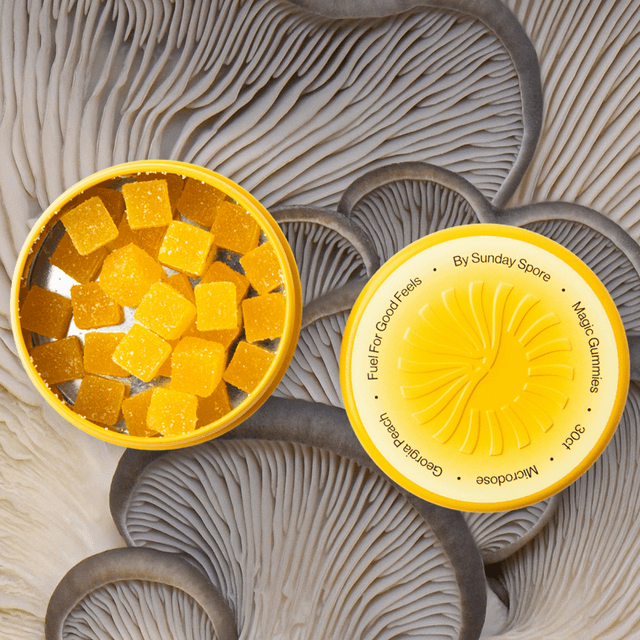
Precision Dosed
Every Sunday Spore gummy is lab-verified for precise, consistent dosing — no guessing, no scales, no batch variation. Just take one and go about your day.
If you're ready to start microdosing...
Sunday Spore Microdose — precision-dosed mushroom gummies. Lab-tested, exact dosing, ships discreetly.
Microdosing's Built-In Integration
Microdosing sidesteps the integration problem entirely by never removing you from your life in the first place.
Because you're dosing at sub-perceptual levels while going about your normal routine, any shifts in perspective, creativity, or emotional regulation are immediately applied to real-world contexts. There's no gap between "the experience" and "real life" because they're the same thing.
The changes happen where they matter: in how you respond to a difficult email, how you interact with your children, how you approach a creative problem at work. Integration isn't a separate phase — it's happening in real time.
The Breakthrough vs. Maintenance Framework
Perhaps the most useful way to think about these two approaches is through the lens of breakthrough vs. maintenance:
Ayahuasca excels at breakthroughs: If you're stuck in a deeply entrenched pattern — chronic depression, unresolved trauma, addiction, existential crisis — the concentrated intensity of ceremony can crack open perspectives that years of talk therapy haven't reached. It's a powerful reset.
Microdosing excels at maintenance and gradual growth: If you're looking to optimize your daily experience — better mood, more creativity, less reactivity, enhanced focus — the slow, steady neuroplastic changes of microdosing compound over time like interest in a savings account.
The combination approach: Many experienced psychedelic users report a pattern that leverages both: use ayahuasca (or another full-dose psychedelic experience) for periodic breakthroughs, then use microdosing to maintain the flexibility and openness that the ceremony initiated.
A common trajectory:
- Ayahuasca retreat produces breakthrough insight
- 2-4 weeks of rest and initial integration
- Begin psilocybin microdosing protocol to maintain neuroplastic openness
- Use the subtle flexibility of microdose days to reinforce new patterns
- Repeat a ceremony 6-12 months later if deeper work is needed
Who Is Each Approach For?
Ayahuasca May Be Right If You:
- Have deep, entrenched patterns you've been unable to shift through other means
- Are processing specific trauma that hasn't responded to conventional therapy
- Can safely discontinue any MAOI-interacting medications for the required period
- Have no history of psychotic disorders, bipolar I disorder, or heart conditions
- Can afford $3,000-8,000+ and take 1-2 weeks off
- Are prepared for physical discomfort (purging, dietary restrictions)
- Have access to reputable, experienced facilitators (not all retreat centers are equal)
- Have a plan for post-ceremony integration support
Microdosing May Be Right If You:
- Want gradual improvement integrated into daily life
- Can't take extended time off work or family obligations
- Take medications that interact with MAOIs (you may still need to address SSRI interactions with psilocybin — consult your provider)
- Prefer a self-directed practice over facilitated experiences
- Are looking for ongoing maintenance rather than a single breakthrough
- Want to explore psychedelics without committing to an overwhelming experience
- Are cost-conscious about long-term wellness spending
- Value consistency and sustainability over intensity
Most People Fit the Microdosing Profile
Let's be direct about this: for the average person exploring psychedelics for the first time — someone with a full-time job, family responsibilities, limited vacation time, and a budget that doesn't include $5,000 retreats — microdosing is the far more practical entry point.
It doesn't require travel. It doesn't require time off work. It doesn't involve purging, dietary restrictions, or navigating the variable quality of retreat centers. It doesn't carry the MAOI safety concerns. And it costs a fraction of what ceremony work demands.
This doesn't make it "lesser." It makes it accessible. Ayahuasca may be the right tool for specific situations, but microdosing is the tool that fits into life as most people actually live it.
Starting a Practice That Lasts
If you've decided that the microdosing model is right for your situation — steady, daily-life-compatible, gradual — the next question is practical: how do you start a practice that actually works?
The biggest failure mode for new microdosers isn't the substance or the protocol. It's inconsistency. People start with ground mushrooms that vary in potency, can't tell if what they're feeling is the dose or a bad night's sleep, get frustrated, and quit after two weeks.
Consistency requires two things: a reliable schedule and a reliable dose. The schedule part is on you — pick a protocol and stick with it. The dose part is where your format choice matters enormously.
Sunday Spore Microdose gummies exist specifically because the founders went through this exact frustration. Each gummy is lab-verified for precise, consistent dosing — so Tuesday's gummy is the same as Friday's, which is the same as next week's. When the dose is consistent, your journal data means something. When your journal data means something, you can actually optimize your practice.
No ceremony required. No jungle flights. No purging. Just a daily practice that compounds over time, fits your life, and costs less per year than a single weekend retreat.
That's not lesser. That's practical. And for most people, practical is what leads to lasting change.
Sources & References
- McKenna, D.J. et al. (1984). Monoamine oxidase inhibitors in South American hallucinogenic plants: tryptamine and beta-carboline constituents of ayahuasca. Journal of Ethnopharmacology, 10(2), 195-223.
- Riba, J. et al. (2003). Human pharmacology of ayahuasca: subjective and cardiovascular effects, monoamine metabolite excretion, and pharmacokinetics. Journal of Pharmacology and Experimental Therapeutics, 306(1), 73-83.
- Fadiman, J. (2011). The Psychedelic Explorer's Guide: Safe, Therapeutic, and Sacred Journeys. Park Street Press.
- Palhano-Fontes, F. et al. (2019). Rapid antidepressant effects of the psychedelic ayahuasca in treatment-resistant depression: a randomized placebo-controlled trial. Psychological Medicine, 49(4), 655-663.
- Nichols, D.E. (2016). Psychedelics. Pharmacological Reviews, 68(2), 264-355.
Note: This article cites published research for educational context. Inclusion of a study does not imply endorsement of its conclusions or guarantee of similar outcomes.
Disclaimer
This content is for educational and informational purposes only. It is not medical advice and should not substitute professional medical guidance. Always consult a qualified healthcare provider. Psilocybin is a controlled substance in most jurisdictions — know your local laws. Individual results vary.
“Three weeks into a Monday/Wednesday/Friday protocol and the difference in my foc...” — Sarah
“Bought the Big Guys for a camping trip with friends. The dosing is spot-on — eve...” — Marcus
Ready to start microdosing?
Try the Sunday Spore Microdose
Precision-dosed magic mushroom gummies designed for your microdosing protocol. Lab-tested. Exact dosing. Everything you need to start.
FAQ
Frequently Asked Questions
Is ayahuasca stronger than microdosing?
Can I microdose after ayahuasca?
Is ayahuasca safe?
Written by
Alex Nakamura
Biochemistry degree. Translates complex mycology and pharmacology into accessible guides.